


Have you been exercising regularly but still struggle with stubborn belly fat? Many people become frustrated when the number on the scale goes down, yet their waistline barely changes. I have seen this concern come up repeatedly among beginners and people over 40 who feel they are doing everything right but are not seeing the results they expected. In many cases, the hidden problem is visceral fat, a type of fat stored deep around the organs.
The good news is that visceral fat responds well to the right exercise plan. Based on research and proven fitness principles, exercises such as walking, strength training, HIIT, and circuit training can help reduce visceral fat while improving overall health. In this guide, you will learn what visceral fat is, why it matters, and the best exercises to lose visceral fat safely and effectively.
Belly fat is a common concern for many adults. While some belly fat sits just under the skin, another type of fat is hidden deep inside the abdomen. This hidden fat is called visceral fat. It surrounds important organs and can increase the risk of serious health problems.
The good news is that visceral fat responds well to healthy lifestyle changes. The right exercises, combined with good nutrition and daily movement, can help reduce visceral fat and improve overall health. In this guide, you will learn what visceral fat is, what causes it, and the best exercises to lose visceral fat safely and effectively.
What Is Visceral Fat?
Visceral fat is a type of body fat stored deep inside the abdominal cavity. It surrounds organs such as the liver, pancreas, and intestines.
Unlike fat that sits under the skin, visceral fat is not always visible. A person can have a normal body weight and still carry excess visceral fat.
A small amount of visceral fat is normal and necessary. However, too much visceral fat can increase the risk of several chronic diseases.
Because visceral fat affects important organs, reducing it is important for both health and longevity.
Quick Takeaway
Visceral fat is hidden belly fat. It sits deep inside your abdomen and surrounds organs like the liver and pancreas.
The best way to reduce it is not endless crunches. Use a mix of walking, strength training, HIIT, healthy eating, sleep, and stress control.
Visceral Fat vs Subcutaneous Fat
Many people think all belly fat is the same. However, there are two different types of abdominal fat.
The first type is visceral fat. The second type is subcutaneous fat.
Subcutaneous fat sits directly under the skin. It is the fat you can pinch with your fingers. Visceral fat is stored deeper inside the body and wraps around internal organs.
| Feature | Visceral Fat | Subcutaneous Fat |
|---|---|---|
| Location | Around internal organs | Under the skin |
| Visibility | Usually hidden | Visible |
| Health Risk | High | Lower |
| Disease Risk | Significant | Moderate |
| Priority for Fat Loss | High | Lower |
Both types of fat can be reduced through exercise and healthy eating. However, reducing visceral fat provides greater health benefits.
What Causes Visceral Fat?
Several factors contribute to visceral fat accumulation.
Lack of Physical Activity
People who spend most of their day sitting often accumulate more visceral fat over time.
Excess Calories
Consuming more calories than your body needs can lead to fat storage around the abdomen.
Poor Diet Quality
A diet high in processed foods, sugary drinks, and refined carbohydrates can increase visceral fat levels.
Chronic Stress
Long-term stress raises cortisol levels. High cortisol levels are associated with increased abdominal fat storage.
Poor Sleep
Not getting enough sleep can affect hunger hormones and increase the risk of weight gain.
Aging
As people age, muscle mass often decreases while fat mass increases. This can contribute to higher visceral fat levels.
What Causes Visceral Obesity?
Visceral obesity occurs when a person carries excessive amounts of visceral fat around the organs.
Several factors can increase the risk.
Insulin Resistance
When the body becomes less responsive to insulin, it becomes easier to store fat around the abdomen.
Sedentary Lifestyle
A lack of regular exercise often contributes to visceral obesity.
Hormonal Changes
Hormones play a major role in where fat is stored.
Genetic Factors
Some people are naturally more likely to store fat around the abdominal area.
Poor Lifestyle Habits
Unhealthy eating patterns, lack of exercise, and poor sleep can work together to increase visceral fat accumulation.
Health Issues Associated With Visceral Obesity
Excess visceral fat is linked to several serious health conditions.
Heart Disease
Visceral fat increases inflammation and may raise the risk of cardiovascular disease.
Type 2 Diabetes
High levels of visceral fat are strongly linked to insulin resistance and diabetes.
High Blood Pressure
Excess abdominal fat can negatively affect blood vessel function.
Metabolic Syndrome
Metabolic syndrome is a combination of risk factors that increase the likelihood of heart disease and diabetes.
Fatty Liver Disease
Visceral fat can contribute to fat buildup in the liver.
Stroke
People with higher levels of visceral fat may face an increased risk of stroke and other cardiovascular events.
Because visceral fat affects multiple systems in the body, reducing it should be a major health goal.
How to Measure Visceral Fat
Visceral fat cannot be measured accurately by appearance alone. However, several methods can help estimate your risk.
Simple Waist Check
Use a measuring tape around your waist at belly button level.
| Group | Higher Risk Waist Size |
|---|---|
| Men | Over 40 inches |
| Women | Over 35 inches |
This does not diagnose visceral fat, but it helps track progress.
Waist Circumference
Waist circumference is one of the easiest ways to assess abdominal fat.
Risk increases when waist circumference exceeds:
- Men: 40 inches (102 cm)
- Women: 35 inches (88 cm)
Waist-to-Height Ratio
Many experts recommend keeping your waist measurement below half of your height.
For example, if you are 70 inches tall, your waist should ideally remain below 35 inches.
Body Composition Scans
More advanced methods include:
- DEXA scans
- MRI scans
- CT scans
These methods can estimate visceral adipose tissue more accurately.
Smart Scales
Some smart scales estimate body fat percentage. However, they cannot directly measure visceral fat.
Tracking waist circumference over time is often the most practical option for most people.
How to Reduce Visceral Fat
Reducing visceral fat requires a combination of healthy habits.
Exercise Regularly
Both aerobic exercise and strength training can help reduce visceral fat.
Create a Calorie Deficit
Consuming slightly fewer calories than you burn can support fat loss.
Increase Daily Movement
Walking more throughout the day increases energy expenditure.
Improve Sleep
Aim for seven to nine hours of quality sleep each night.
Manage Stress
Activities such as meditation, yoga, and deep breathing can help reduce stress levels.
Eat More Whole Foods
Focus on:
- Lean protein
- Fruits
- Vegetables
- Whole grains
- Healthy fats
These habits work together to support visceral fat reduction.
Best Exercises to Lose Visceral Fat Ranked
The best visceral fat exercises improve cardiovascular fitness, increase calorie burn, and support metabolic health.
1. Brisk Walking
Walking is simple, effective, and sustainable.
Benefits include:
- Increased calorie burn
- Improved heart health
- Better blood sugar control
- Lower stress levels
2. High-Intensity Interval Training (HIIT)
HIIT alternates short bursts of intense exercise with recovery periods.
It can be a time-efficient way to burn calories and improve fitness.
3. Strength Training
Strength training helps preserve and build lean muscle mass.
More muscle can support a higher overall energy expenditure.
4. Circuit Training
Circuit workouts combine strength exercises and cardio movements into one workout.
5. Cycling
Cycling provides an excellent cardiovascular workout while being gentle on the joints.
6. Swimming
Swimming trains the entire body and burns a significant number of calories.
7. Rowing
Rowing combines strength and cardio training in a single exercise.
8. Incline Walking
Walking uphill increases workout intensity and calorie expenditure.
The most effective strategy is to combine several of these exercises throughout the week.
Best Exercise Combination
| Exercise Type | Best For | Weekly Goal |
|---|---|---|
| Walking | Beginners and daily fat loss | 5–7 days |
| Strength Training | Muscle and metabolism | 2–3 days |
| HIIT | Time-efficient calorie burn | 1–2 days |
Why Trainers Recommend Walking & Strength Training to Lose Visceral Fat
Many fitness professionals recommend combining walking and strength training for visceral fat loss. This combination is simple, effective, and suitable for most fitness levels.
Walking helps increase daily calorie burn and improves cardiovascular health. Strength training helps maintain muscle mass and supports long-term fat loss.
Together, these exercises create a balanced workout routine that targets several factors linked to visceral fat accumulation.
Unlike extreme workout programs, walking and strength training are easier to maintain over time. Consistency is one of the biggest factors in successful fat loss.
Walking Impacts Visceral Fat Directly
Walking is one of the most effective exercises for reducing visceral fat. It requires no special equipment and can fit into almost any lifestyle.
Research shows that regular aerobic exercise can help reduce abdominal fat and improve metabolic health.
Benefits of Walking for Visceral Fat Loss
Walking can:
- Burn calories
- Improve circulation
- Increase daily activity levels
- Support weight management
- Reduce stress
- Improve heart health
How Much Walking Should You Do?
Most adults should aim for:
- 30 to 60 minutes per day
- 5 to 7 days per week
If you are new to exercise, start with shorter walks and gradually increase your duration.
Ways to Make Walking More Effective
Try these strategies:
- Walk at a brisk pace
- Increase your daily step count
- Choose hilly routes
- Use walking intervals
- Walk after meals
Even small increases in daily movement can contribute to long-term visceral fat reduction.
Strength Training Builds and Supports Lean Muscle
Strength training is another important tool for reducing visceral fat.
Muscle tissue burns slightly more calories than fat tissue at rest. More importantly, maintaining muscle mass supports healthy metabolism and long-term weight management.
Strength training also helps improve body composition by increasing lean muscle while reducing fat mass.
Benefits of Strength Training
Strength training can:
- Preserve lean muscle
- Improve metabolism
- Increase strength
- Improve posture
- Support bone health
- Enhance physical performance
Best Strength Training Exercises
Some of the best exercises include:
- Squats
- Lunges
- Push-Ups
- Rows
- Deadlifts
- Shoulder Presses
- Resistance Band Exercises
Beginner Full-Body Strength Workout
Perform 2 to 3 rounds.
- Bodyweight Squats – 12 reps
- Push-Ups – 10 reps
- Walking Lunges – 10 reps per leg
- Glute Bridges – 15 reps
- Plank – 30 seconds
Rest for 60 seconds between rounds.
Aim for two to three strength training sessions each week.
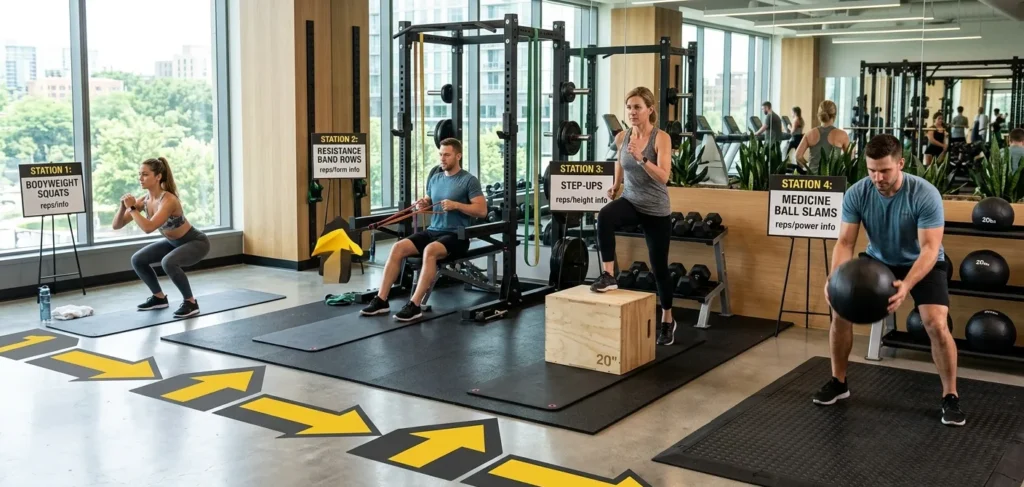
Circuit Training for Visceral Fat Loss
Circuit training combines multiple exercises performed back-to-back with little rest.
This style of training keeps the heart rate elevated while challenging the muscles at the same time.
Circuit training is especially effective because it combines the benefits of cardio and resistance training.
Benefits of Circuit Training
Circuit training may:
- Burn more calories in less time
- Improve cardiovascular fitness
- Increase muscular endurance
- Support fat loss
- Improve metabolic health
Sample Circuit Training Workout
Perform each exercise for 40 seconds.
Rest for 20 seconds between exercises.
- Squats
- Push-Ups
- Mountain Climbers
- Walking Lunges
- Plank
Complete 3 to 4 rounds.
This workout can be completed in less than 30 minutes and requires very little equipment.
They Both Improve Insulin Sensitivity
Insulin sensitivity plays an important role in visceral fat management.
When the body responds well to insulin, blood sugar levels are easier to regulate. Poor insulin sensitivity can contribute to abdominal fat storage.
Both walking and strength training can help improve insulin sensitivity.
Benefits include:
- Better blood sugar control
- Reduced insulin resistance
- Improved energy use
- Better metabolic health
This is one reason exercise is often recommended for people with prediabetes and metabolic syndrome.
It’s Sustainable
Many people fail because they choose workout plans that are too difficult to maintain.
Walking and strength training are different. They can fit into almost any schedule and can be adjusted to match your fitness level.
A sustainable exercise plan should:
- Be realistic
- Fit your schedule
- Include recovery time
- Be enjoyable
- Support long-term consistency
The best exercise routine is the one you can continue for months and years.
Best High-Intensity Exercises for Burning Visceral Fat
High-Intensity Interval Training, also known as HIIT, is one of the most efficient forms of exercise for reducing visceral fat.
Research suggests HIIT can be an effective tool for reducing visceral fat, especially when combined with a calorie-controlled diet and regular physical activity.
HIIT alternates short periods of intense effort with recovery periods.
Benefits of HIIT
HIIT can:
- Burn calories quickly
- Improve cardiovascular fitness
- Increase fat oxidation
- Save time
- Support visceral fat reduction
Best HIIT Exercises
Popular HIIT movements include:
- Sprint Intervals
- High Knees
- Jump Squats
- Burpees
- Mountain Climbers
- Jump Rope
Beginner HIIT Workout
Perform each exercise for 30 seconds.
Rest for 15 seconds between exercises.
- High Knees
- Bodyweight Squats
- Mountain Climbers
- Jumping Jacks
- Plank
Complete 3 to 4 rounds.
This workout takes approximately 15 minutes.
Best Home Workout for Visceral Fat
You do not need expensive equipment or a gym membership to reduce visceral fat.
Many effective exercises can be performed at home using only your body weight.
15-Minute Home Workout for Visceral Fat
Perform:
- 15 Bodyweight Squats
- 10 Push-Ups
- 20 Mountain Climbers
- 20 High Knees
- 30-Second Plank
Complete 3 rounds.
As your fitness improves, increase the number of repetitions or rounds.
Why Home Workouts Work
Home workouts offer several benefits:
- Convenience
- No travel time
- Minimal equipment
- Easy scheduling
- Beginner-friendly options
The key is consistency. A simple workout performed regularly will produce better results than an advanced program performed only occasionally.
Visceral Obesity Management
Managing visceral obesity requires more than exercise alone. The best results come from combining physical activity with healthy lifestyle habits.
A long-term approach is more effective than quick fixes or extreme diets.
Focus on Nutrition
Nutrition plays a major role in visceral fat loss.
Choose foods such as:
- Lean protein
- Vegetables
- Fruits
- Whole grains
- Healthy fats
Examples include:
- Chicken breast
- Fish
- Eggs
- Greek yogurt
- Oats
- Brown rice
- Avocados
- Nuts
Try to limit:
- Sugary drinks
- Processed snacks
- Fast food
- Refined carbohydrates
- Excess alcohol
Improve Sleep Quality
Poor sleep is linked to increased visceral fat accumulation.
Aim for:
- 7 to 9 hours of sleep per night
- A consistent sleep schedule
- A dark and quiet sleeping environment
Good sleep supports recovery, hormone balance, and appetite control.
Reduce Stress
Chronic stress can increase cortisol levels, which may encourage abdominal fat storage.
Healthy stress-management techniques include:
- Walking outdoors
- Meditation
- Deep breathing exercises
- Yoga
- Journaling
Stay Active Throughout the Day
Exercise sessions are important, but daily movement also matters.
Simple ways to stay active include:
- Taking the stairs
- Standing more often
- Walking during breaks
- Parking farther away
- Doing household activities
Small actions performed consistently can contribute to long-term fat loss.
Visceral Fat Loss for Men and Women
Both men and women can develop excess visceral fat. However, fat storage patterns often differ.
Visceral Fat in Men
Men tend to store more fat around the abdomen and internal organs.
This is why many men develop an “apple-shaped” body type.
As a result, men often notice visceral fat accumulation earlier than women.
Visceral Fat in Women
Women typically store more fat around the hips and thighs during their younger years.
However, hormonal changes during menopause can increase visceral fat storage.
This is one reason many women notice increased abdominal fat as they age.
Best Exercises for Men and Women
The same core exercises work well for both genders:
- Walking
- Strength training
- HIIT
- Circuit training
- Cycling
- Swimming
The goal is to stay consistent and choose activities you enjoy.
Exercise Mistakes That Prevent Visceral Fat Loss
Many people work hard but fail to see results because of common mistakes.
Only Doing Ab Exercises
Crunches and sit-ups strengthen the abdominal muscles, but they do not directly burn visceral fat.
Fat loss occurs throughout the entire body.
Ignoring Strength Training
Some people focus only on cardio.
While cardio is helpful, resistance training supports muscle retention and metabolic health.
Being Inconsistent
One workout per week is unlikely to produce meaningful results.
Consistency matters more than perfection.
Overtraining
Exercising too much without enough recovery may increase fatigue and reduce performance.
Rest is an important part of progress.
Ignoring Nutrition
Even the best workout plan cannot completely overcome poor eating habits.
Exercise and nutrition should work together.
Expecting Fast Results
Visceral fat reduction takes time.
Focus on steady progress rather than overnight transformation.
Other Tips to Lose Visceral Fat
Small daily habits can help accelerate progress.
Drink More Water
Staying hydrated supports overall health and exercise performance.
Eat More Protein
Protein helps preserve muscle mass and supports satiety.
Good protein sources include:
- Chicken
- Fish
- Eggs
- Greek yogurt
- Beans
Increase Fiber Intake
Fiber can help improve digestion and support healthy weight management.
High-fiber foods include:
- Vegetables
- Fruits
- Beans
- Oats
- Whole grains
Limit Alcohol Consumption
Excess alcohol intake is associated with increased abdominal fat storage.
Stop Smoking
Smoking is linked to many health problems and may contribute to unhealthy fat distribution.
Track Your Progress
Monitor:
- Waist circumference
- Body weight
- Energy levels
- Fitness performance
Tracking helps you stay motivated and identify progress over time.
How Long Does It Take to Lose Visceral Fat?
The timeline varies from person to person.
Factors that influence results include:
- Starting body composition
- Activity level
- Diet quality
- Sleep habits
- Consistency
Weeks 2 to 4
Many people notice:
- Improved energy
- Better endurance
- Increased motivation
Weeks 4 to 8
Common improvements include:
- Reduced waist circumference
- Better workout performance
- Improved body composition
Weeks 8 to 12
Many individuals begin to notice:
- Visible reductions in abdominal size
- Better metabolic health
- Improved blood sugar control
The exact timeline will vary, but consistent effort produces results.
Workout Plan to Try
This beginner-friendly weekly plan combines cardio, strength training, and recovery.
Monday
- 45-Minute Brisk Walk
- Full-Body Strength Training
Tuesday
- 30-Minute Walk
- Stretching Session
Wednesday
- HIIT Workout
- Light Walking
Thursday
- Full-Body Strength Training
- 20-Minute Walk
Friday
- 45-Minute Brisk Walk
Saturday
- HIIT Workout
- Mobility Exercises
Sunday
- Recovery Walk
- Stretching
This schedule provides a balanced approach to visceral fat reduction while allowing adequate recovery.
Before You Start
- Start with low-impact exercise if you are a beginner.
- Do not rely only on ab workouts.
- Increase intensity slowly each week.
- Rest when your body feels overly tired.
- Speak with a doctor if you have heart disease, diabetes, joint pain, or high blood pressure.
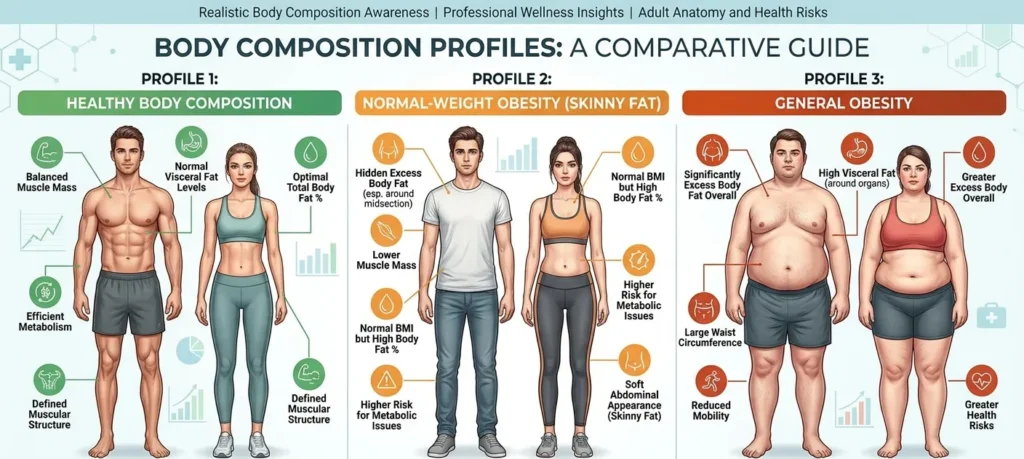
Visceral Fat vs General Obesity
Many people assume that only individuals with obesity have excess visceral fat.
This is not always true.
Some individuals appear thin but still carry high levels of visceral fat. This condition is sometimes referred to as normal-weight obesity or being “skinny fat.”
On the other hand, some individuals with higher body weight may carry less visceral fat than expected.
This is why waist circumference, body composition, and lifestyle habits are often better indicators of health than body weight alone.
Reducing visceral fat can improve health regardless of your current weight.
Conclusion
One of the biggest mistakes people make is focusing only on belly exercises while ignoring the habits that actually reduce visceral fat. Based on established fitness principles and research, the most effective approach is a combination of walking, strength training, HIIT, or circuit training along with healthy eating, quality sleep, and stress management. In my experience reviewing successful fat-loss strategies, the people who achieve lasting results are not those looking for quick fixes but those who stay consistent with simple habits. If you follow a realistic exercise plan and remain patient, you can gradually reduce visceral fat, improve metabolic health, and build a stronger, healthier body over time.
