


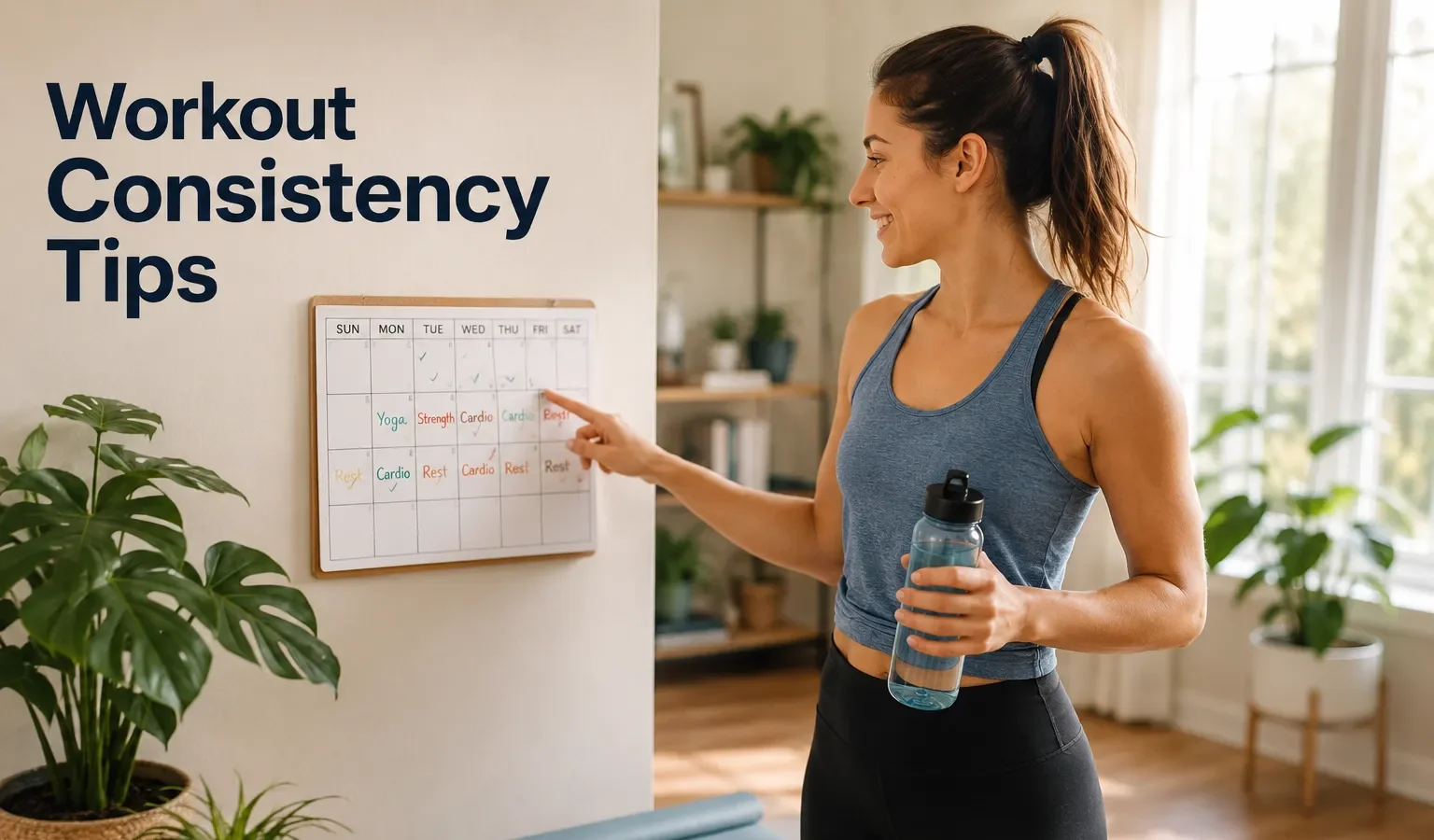
Have you ever promised yourself that this would be the week you finally stick to your workout routine, only to stop after a few days? You are not alone. Many people start exercising with excitement but struggle to stay consistent once work becomes busy, family responsibilities increase, or motivation fades. Missing a few workouts often leads to frustration, guilt, and the feeling that you have to start all over again. The truth is that most people do not fail because they choose the wrong exercises. They struggle because they never learn how to build habits that last.
I have seen this pattern repeatedly while researching fitness and healthy habit formation, and I have also experienced it myself. Early on, I believed every workout had to be long and intense. Whenever I missed a session, I felt like I had ruined my progress. Over time, I learned that lasting fitness is not built by being perfect. It is built by showing up consistently, even on days when you only have a few minutes to exercise. In this guide, you will learn practical workout consistency tips that are simple to follow, realistic for busy lifestyles, and designed to help you build an exercise habit you can maintain for years—not just a few weeks.
What Is Workout Consistency?
Workout consistency means exercising regularly over a long period instead of working out only when you feel motivated. It is about showing up again and again, even if every workout is not perfect.
Many people believe consistency means exercising every day. That is not true. A consistent workout routine is one you can realistically maintain. For some people, that means three workouts each week. For others, it may mean walking every day and strength training twice a week.
The goal is to create a routine that fits your schedule, energy level, and fitness goals.
Consistency also means accepting that life will sometimes interrupt your plans. A missed workout does not erase your progress. What matters most is returning to your routine as soon as possible.
Key Takeaway
Workout consistency does not mean exercising every day. It means following a realistic routine for a long time.
A short workout that you repeat each week is more useful than an intense plan that you quickly stop following.
Why Is Workout Consistency Important?
Working out once in a while may help you feel good for a day. However, regular exercise is what creates lasting results.
When you stay consistent, your body and mind gradually adapt to your routine. Over time, your workouts begin to feel like a normal part of your day instead of something you have to force yourself to do.
Here are some of the biggest benefits of staying consistent with exercise.
Helps You Reach Your Fitness Goals
Whether you want to lose weight, build muscle, improve endurance, or increase flexibility, regular exercise is more effective than occasional intense workouts.
Small improvements made every week add up over time.
Builds Healthy Habits
The more often you repeat a workout routine, the easier it becomes. Instead of deciding whether to exercise each day, it becomes part of your normal schedule.
Healthy habits require less mental effort than relying on motivation.
Improves Physical Health
Regular exercise supports your overall health in many ways. It can help strengthen your heart, improve muscle function, support bone health, and increase daily energy levels.
Even moderate physical activity performed consistently offers meaningful health benefits.
Supports Mental Well-Being
Exercise is not only good for your body. It can also improve your mood, reduce everyday stress, and help you feel more focused throughout the day.
Many people notice that they feel better mentally after completing even a short workout.
Increases Confidence
Every completed workout is proof that you are keeping a promise to yourself.
As your routine becomes stronger, your confidence grows too. You begin to trust yourself because you know you can stay committed to your goals.
How Much Exercise Do You Need Each Week?
Many beginners think they need to exercise every day to see results. In reality, a balanced routine is usually more effective and easier to maintain.
For most healthy adults, aim for:
- At least 150 minutes of moderate-intensity aerobic activity each week, such as brisk walking or cycling.
- Muscle-strengthening activities on two or more days each week that work the major muscle groups.
If you are just getting started, you do not need to reach these targets immediately. Begin with a routine you can manage. Even two or three short workouts each week are a strong starting point.
As your fitness improves, you can gradually increase your activity level.
How Can You Make It Easier to Stay Active?
One of the biggest reasons people stop exercising is that they make it harder than it needs to be.
Instead of depending on willpower every day, make your workouts easy to start.
Simple changes can make a big difference.
- Choose a workout time that fits your daily schedule.
- Keep your workout clothes ready the night before.
- Place your shoes where you can easily see them.
- Prepare your water bottle before your workout.
- Pick exercises you enjoy instead of forcing yourself to do workouts you dislike.
- Start with short sessions instead of trying to do too much.
The easier it is to begin, the more likely you are to stay consistent.
Why Do Most People Struggle to Stay Consistent With Workouts?
Many people believe they lack discipline. In reality, the problem is usually much simpler.
Understanding the common reasons people quit can help you avoid the same mistakes.
Setting Goals That Are Too Big
It is exciting to start a new fitness journey. However, many people try to change everything at once.
They plan to exercise every day, eat perfectly, and lose weight quickly.
This approach often leads to burnout.
Instead, focus on small goals you can achieve each week. Success builds confidence, and confidence helps create consistency.
Depending Only on Motivation
Motivation feels great when you first begin.
The problem is that motivation changes from day to day.
Some mornings you will feel excited to exercise. Other days you will not.
People who stay consistent do not wait for motivation. They follow a routine that helps them work out even when they are not in the mood.
Trying to Be Perfect
Many people think missing one workout means they have failed.
This type of thinking often leads to giving up completely.
Fitness is not about perfection. It is about returning to your routine after small setbacks.
One missed workout does not ruin your progress.
Choosing a Routine That Does Not Fit Your Life
A workout plan should match your schedule.
If your routine requires two hours every day but you only have thirty minutes, it will be difficult to maintain.
The best workout routine is one you can continue for months, not just a few weeks.
Expecting Fast Results
Visible changes take time.
If you expect dramatic results after only a week or two, you may become discouraged.
Instead of measuring success only by the number on the scale, notice other improvements.
You may feel stronger, sleep better, have more energy, or find everyday activities easier.
These small victories show that your consistency is paying off.
Find Your Reason for Working Out
Before you build a workout routine, ask yourself one simple question.
Why do I want to exercise?
Your answer is your personal reason for staying active.
Some people want to improve their health.
Others want to have more energy for their family.
Some want to reduce stress after work.
Others want to feel stronger and more confident.
There is no right or wrong answer.
Choose a reason that matters to you.
When your motivation becomes low, remembering your personal reason can help you keep moving forward.
Instead of focusing only on the final result, remind yourself why you started.
That purpose can become one of your strongest tools for building long-term workout consistency.
Workout Consistency Tips That Actually Work
Now that you understand why consistency matters, it is time to learn practical strategies you can use every week. These workout consistency tips are simple, realistic, and easy to apply. You do not need to follow every tip at once. Start with a few that fit your lifestyle and build from there.
1. Set Clear, Achievable Goals
One of the biggest reasons people lose consistency is setting goals that are too difficult.
For example, deciding to work out every day when you have never exercised regularly can quickly become overwhelming.
Instead, create goals that are realistic and specific.
Good examples include:
- Walk for 30 minutes three times a week.
- Complete two full-body strength workouts each week.
- Stretch for 10 minutes every morning.
- Exercise for 20 minutes after work on Monday, Wednesday, and Friday.
Small goals are easier to achieve. Each success builds confidence and makes it easier to keep going.
As your fitness improves, you can gradually increase the difficulty of your workouts.
2. Turn Your Workouts Into a Routine
Consistency becomes easier when you no longer have to decide whether to exercise.
Choose a regular time for your workouts and treat them like an important appointment.
Many people succeed by exercising:
- Before work
- During lunch breaks
- Immediately after work
- After dropping children at school
- Before dinner
The best time is the one you can follow consistently.
When your workout happens at the same time each week, it slowly becomes part of your daily routine.
3. Start Small Instead of Going All In
Many beginners believe longer workouts always produce better results.
In reality, shorter workouts are often easier to maintain.
A 20-minute workout completed every week is much more valuable than a two-hour workout you only do once.
If you feel overwhelmed, reduce the length instead of skipping the session.
Remember:
A short workout is always better than no workout.
Starting small also lowers mental resistance because it feels easier to begin.
4. Choose Activities You Actually Enjoy
You do not have to copy someone else’s workout routine.
If you dislike running, choose another activity.
There are many ways to stay active.
Examples include:
- Walking
- Cycling
- Swimming
- Strength training
- Resistance band workouts
- Dumbbell workouts
- Dancing
- Yoga
- Hiking
- Playing sports
When you enjoy your workouts, you are naturally more likely to repeat them.
Consistency becomes much easier when exercise feels rewarding instead of stressful.
5. Schedule Your Workouts Like Important Meetings
Busy schedules are one of the most common reasons people skip exercise.
Instead of hoping you will find time, decide exactly when you will work out.
Use:
- Your phone calendar
- A paper planner
- A habit tracker
- Calendar reminders
Seeing your workout on your schedule makes it feel like a commitment instead of an optional activity.
Treat your workout the same way you would treat a doctor’s appointment or an important meeting.
6. Prepare Everything Before Your Workout
Sometimes the hardest part of exercising is getting started.
You can make this easier by preparing ahead of time.
The night before your workout:
- Lay out your workout clothes.
- Fill your water bottle.
- Charge your fitness watch if you use one.
- Pack your gym bag.
- Decide which exercises you will do.
These small actions reduce decision-making and remove common excuses.
The easier it is to begin, the more likely you are to complete your workout.
7. Track Your Progress
Progress is not always visible in the mirror.
That is why tracking your workouts is helpful.
You can record:
- Workout days
- Exercise duration
- Strength improvements
- Walking distance
- Number of workouts completed each month
Watching your progress grow can increase your motivation.
It also reminds you how far you have already come.
Even checking off completed workouts on a calendar can provide a sense of achievement.
8. Find an Accountability Partner
Having someone support your fitness journey can make a big difference.
Your accountability partner could be:
- A friend
- Your spouse
- A family member
- A coworker
- A personal trainer
You do not even need to work out together.
Sometimes simply telling someone your weekly workout goal is enough to help you stay committed.
Encouragement from others can make difficult days feel much easier.
9. Celebrate Small Wins
Many people only celebrate reaching their final goal.
Instead, recognize the progress you make along the way.
Celebrate achievements like:
- Completing your first week of workouts.
- Exercising three times in one week.
- Increasing your walking distance.
- Lifting a slightly heavier weight.
- Staying consistent for one month.
Small victories keep you motivated and remind you that every workout counts.
Choose rewards that support your healthy lifestyle, such as new workout clothes, a fitness journal, or a relaxing recovery day.
10. Focus on Progress, Not Perfection
No one follows a perfect workout routine.
There will be days when you feel tired, busy, or unmotivated.
That is normal.
The goal is not to complete every planned workout.
The goal is to return to your routine without giving up.
Missing one workout does not erase weeks of progress.
Think of consistency as the result of many good choices over time, not perfect choices every day.
11. Build Your Workout Around Your Lifestyle
Your workout plan should fit your real life.
If you only have 30 minutes after work, create a routine that works within that time.
If mornings are difficult, schedule your workouts later in the day.
Avoid copying routines that require more time or energy than you can realistically give.
A simple plan you can follow for six months is much more effective than an intense plan you quit after two weeks.
12. Expect Setbacks and Plan for Them
Life will interrupt your routine from time to time.
You may experience:
- Busy workweeks
- Family responsibilities
- Vacations
- Illness
- Bad weather
- Holidays
These situations do not mean you have failed.
Prepare a backup plan before they happen.
For example:
- Take a 20-minute walk instead of going to the gym.
- Complete a short home workout.
- Stretch for 10 minutes if you cannot exercise fully.
Having a backup option helps you maintain your exercise habit, even during busy periods.
13. Make Exercise Part of Your Identity
Many people say,
“I am trying to work out.”
Instead, think,
“I am someone who takes care of my health.”
This small shift changes how you see yourself.
When exercise becomes part of your identity, you stop relying only on motivation.
You simply act like the healthy person you are becoming.
Every completed workout strengthens that identity.
14. Keep Going Even When Motivation Is Low
Motivation comes and goes.
Habits last much longer.
Some days you will feel excited to exercise.
Other days you may not feel like starting.
Those are the days that matter most.
You do not need your best workout every day.
You only need to show up.
Even a short workout helps protect the routine you have worked hard to build.
Remember that consistency is created by repeating small actions, even when they feel ordinary.
By continuing to move forward, you build a healthy lifestyle that can last for years.
Motivation, Discipline, and Systems: What Keeps You Consistent?
Motivation can help you begin, but it does not always last. A simple workout system makes exercise easier to repeat when your energy is low.
| Approach | How It Works | Main Limitation | Best Use |
|---|---|---|---|
| Motivation | Creates excitement and helps you start. | Changes with your mood and energy. | Starting a new fitness goal. |
| Discipline | Helps you act when you do not feel motivated. | Can feel difficult when you are tired or busy. | Completing important planned workouts. |
| Workout System | Uses a schedule, reminders, preparation, and backup plans. | Requires some planning at the beginning. | Building lasting workout consistency. |
Best approach: Use motivation to begin, discipline when needed, and a simple system to keep going.

Common Mistakes That Break Workout Consistency
Even the best workout plan can fail if you make a few common mistakes. The good news is that these mistakes are easy to fix once you recognize them.
Starting Too Fast
It is exciting to begin a new fitness journey. Many people try to exercise every day during the first week.
This often leads to sore muscles, tiredness, and frustration.
Instead, increase your activity gradually. Give your body time to adjust before adding more workouts.
Following Someone Else’s Routine
A workout plan that works for a fitness influencer may not work for you.
Your schedule, fitness level, and goals are different.
Choose a routine that matches your current lifestyle instead of copying someone else’s plan.
Changing Your Workout Plan Every Week
Some people jump from one workout program to another because they think a new routine will produce faster results.
In reality, constantly changing your plan makes it difficult to build consistency.
Stay with one well-balanced routine long enough to measure your progress.
Ignoring Rest and Recovery
Your body becomes stronger during recovery, not while you are exercising.
Without enough rest, you may feel tired, lose motivation, or increase your risk of injury.
Plan at least one or two recovery days each week.
Recovery activities can include:
- Light walking
- Gentle stretching
- Yoga
- Mobility exercises
Comparing Yourself to Others
Everyone starts at a different point.
Comparing your progress with someone else’s can make you feel discouraged.
Instead, compare yourself with who you were last week or last month.
Your own progress is the only comparison that truly matters.
What Should You Do If You Miss a Workout?
Missing a workout happens to everyone.
The important part is what you do next.
Do not waste time feeling guilty.
Instead, focus on getting back into your routine.
If You Miss One Workout
Simply continue with your next scheduled workout.
Do not try to complete two workouts in one day to make up for the missed session.
Your regular schedule is more important than one missed workout.
If You Miss One Week
Think about what caused you to stop.
Ask yourself:
- Were you too busy?
- Did you become sick?
- Was your workout plan unrealistic?
Identify the reason and make small adjustments if needed.
Then restart with your normal schedule.
If You Have Not Exercised for Several Weeks
Do not begin where you left off.
Reduce the intensity for your first few workouts.
Your body may need time to readjust.
Start with shorter sessions and gradually increase the duration as your fitness improves.
The hardest part is often the first workout back.
Once you complete it, building momentum becomes much easier.
Your Workout Restart Plan
The best restart plan depends on how long you have been away from exercise. Use this table to choose your next step.
| Time Away | What to Do | What to Avoid |
|---|---|---|
| One missed workout | Continue with your next planned session. | Do not double your next workout as punishment. |
| About one week | Restart your schedule and identify what caused the break. | Do not wait for a new week or month to begin. |
| Several weeks | Use shorter sessions and reduce the intensity at first. | Do not immediately return to your previous training level. |
| One month or longer | Treat yourself like a beginner for the first few sessions and rebuild gradually. | Do not compare your current ability with your old performance. |
The Two-Day Rule
One simple habit can help you stay consistent for months.
Never miss two workouts in a row.
Missing one workout is normal.
Missing two often becomes the beginning of a longer break.
If you miss today’s workout, make your next scheduled session a priority.
This simple rule helps protect your routine without creating unnecessary pressure.
How to Stay Consistent During Busy Weeks
Many people stop exercising when life becomes hectic.
Instead of quitting completely, adjust your expectations.
A shorter workout is still a successful workout.
Here are simple ways to stay active when time is limited.
- Walk during your lunch break.
- Do a 15-minute home workout.
- Use resistance bands at home.
- Take the stairs whenever possible.
- Stretch while watching television.
- Exercise early before your schedule becomes busy.
Remember that consistency does not always mean doing the same amount of exercise.
Sometimes consistency means adapting to your current situation.
Your Weekly Workout Consistency Checklist
Use this checklist before each workout week.
- ✔ My workout days are scheduled.
- ✔ I know which exercises I will perform.
- ✔ My workout clothes are ready.
- ✔ My water bottle is filled.
- ✔ My equipment is prepared.
- ✔ I have planned a backup workout if my schedule changes.
- ✔ I know my fitness goal for this week.
Checking these items only takes a few minutes, but it can make staying consistent much easier.
Sample Beginner Weekly Workout Plan
A full-body routine works well for most beginners because it allows each muscle group enough time to recover.
| Day | Activity |
|---|---|
| Monday | Full-body strength workout |
| Tuesday | 20 to 30 minutes of walking and light stretching |
| Wednesday | Full-body strength workout |
| Thursday | Mobility exercises or an easy walk |
| Friday | Full-body strength workout |
| Saturday | Recreational activity, cycling, swimming, or yoga |
| Sunday | Complete rest and recovery |
This schedule provides a balance between exercise and recovery while helping you build a sustainable routine.
Your Seven-Day Workout Consistency Plan
Do not try to change everything today. Use this simple plan to build a routine one step at a time.
Decide how many workouts you can realistically complete each week.
Choose an exercise that matches your fitness level and interests.
Add your next workouts to your phone calendar or planner.
Prepare your clothing, water, equipment, and workout area.
Exercise for 10 to 20 minutes. Focus on starting, not being perfect.
Choose a short home workout or walk for busy days.
Notice what worked and make one small improvement for next week.
Conclusion
If there is one lesson I have learned from studying successful fitness habits and applying them in real life, it is that consistency always beats perfection. You will miss workouts from time to time, and there will be weeks when life does not go as planned. That is completely normal. What matters is not the missed workout but your decision to return to your routine. Every workout, no matter how short, is another step toward becoming healthier and stronger.
My advice is to keep your routine simple enough that you can follow it even during busy weeks. Focus on building habits instead of chasing quick results. Set realistic goals, prepare for setbacks, and celebrate small victories along the way. These are the same strategies that fitness professionals and long-term exercisers use because they work in everyday life. Stay patient with yourself, trust the process, and remember that lasting fitness is built one consistent workout at a time.
